

So you’ve just had a life-changing travel experience. Then you get home, and you can’t figure out how to write it down. Everything you write sounds cheesy. It falls flat.
So instead you cave and just write a list of things to do in XYZ or places to see in XYZ.
But you know a list doesn’t capture what made you love this place so much, and if you were to read the article you just wrote…well, it certainly wouldn’t inspire you to book a plane ticket to this life-changing place.
We’ve all been there! We’ve all had trouble expressing the way a place made us feel or describing the essence that made us fall in love with a location or a culture.
But when you express your frustration at not being able to share the truth of your experience, people just give you vague advice like “make it a personal account” or “weave facts with description and observation.” And you’re left thinking, THAT WAS NOT INSIGHTFUL AT ALL.

Well, if this is you and you’re looking for a way to take your travel writing beyond grocery lists of things to do, you’re in the right place. This article contains many helpful pointers that will guide you through some main elements and techniques for good storytelling—to help you turn your articles into compelling and creative travel writing!
Begin Somewhere Exciting

Beginning somewhere exciting doesn’t mean that you should only write about epic adventures across the world like climbing Kilimanjaro or trekking with penguins in Antarctica…but it does mean that you should be able to identify the most exciting part of your story, no matter where or what you are writing about.
And when you’ve found the most exciting part, you may want to consider beginning your story with this part.
Many people fall into the trap of always writing stories linearly—writing what they did first at the beginning and then continuing consecutively throughout the experience.
But who wants to read a story that starts out with the boring parts, like what you ate for breakfast? (Unless it’s important. Or you were eating breakfast with giraffes at Giraffe Manor. Then that’s exciting and worth reading!)
So for this storytelling tip, don’t always begin at the beginning. Starting “in media res” (or, in the middle of things) is often a much more exciting way to tell a story, and your audience will appreciate it! You can then go back and fill the reader in on any necessary details once you’ve hooked their attention.
- Writing Exercise: Start your next travel story from the middle or the end! What is the most exciting part of your experience? How can you use this to grab your readers’ attention?
Shape the Story

Shaping your story well can be a huge part of creating a successful and interesting travel article. Here are two tips to think about while you craft your next story.
1. Build Toward Something
Everything you say in your story has to be relevant to the central theme/truth of your story.
Let me repeat. Everything has to be relevant.
Who decides what’s relevant? You do! It’s your story after all. But the point here is to make sure that everything you include is included for a reason. If it doesn’t have a purpose, it’s time to cut it out.
If you’re talking about the sunset over the ocean in San Francisco, your readers probably don’t need to know about how your car broke down earlier that day. (Unless that’s why you were watching the sunset at this particular place).
Or if you’re writing about your experience eating pastries at a lovely café in Paris, there probably won’t be a reason to tell us something funny that your dog did yesterday.
If it’s not relevant, it will be confusing and unnecessary. And if it’s unnecessary, it just adds to the clutter and takes away from the main point of your story.
- Writing Exercise: Ask yourself if each of your paragraphs contributes something to the overall story. If any of them don’t contribute to the story, rework them so they do…or just cut them out!
2. Use Suspense
A good hook at the beginning of a story will grab a reader’s attention, but suspense is what will make them keep reading.
Think about your travel experiences. Do you know everything that will happen when you first show up at a new place? Probably not. And the discovery of what happens is half the fun!
So why would you deprive your reader of this fun as well? Don’t feel pressured to tell everything up front and give all your conclusions about a place at the beginning, but instead tease the reader along so they can discover a place with you.
- Writing Exercise: What cool or important thing did you discover along the way during your trip? What can you “save” for later in the story that will surprise your reader just like it surprised you?
Show Instead of Telling
Anyone who’s been around in the writing world for any length of time will be familiar with this cliché. But it’s a cliché for a reason—it works! How can you show instead of telling your story?
1. Use Descriptive Language
Sights, sounds, tastes—any words you can use that evoke different senses will help your reader feel like they are with you instead of just reading about the place you are describing.
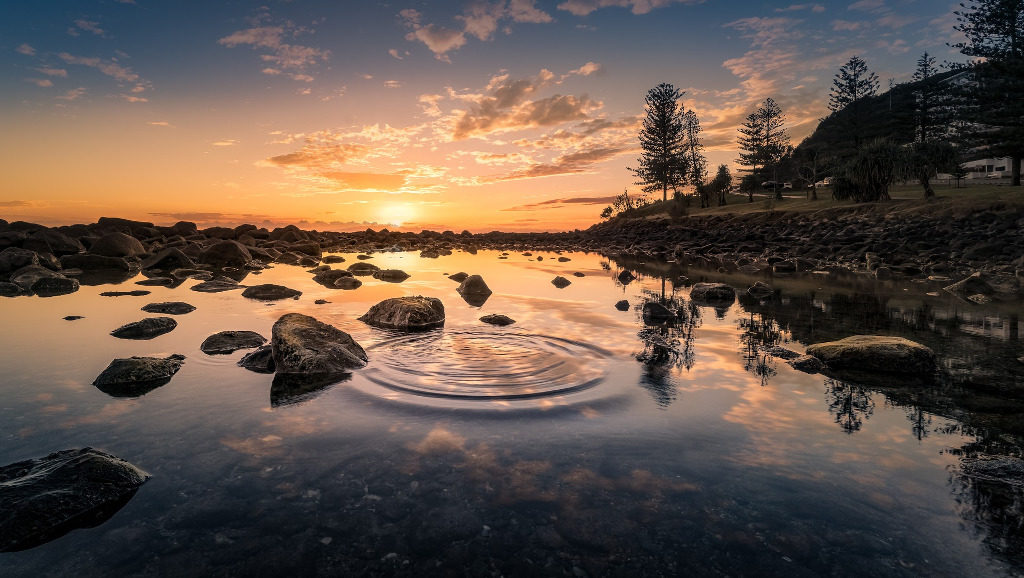
For example, think about going to the beach. Can you feel the wind on your face or the sun rays warming your skin? Can you hear the swish and crash of the waves? Can you see the glowing orange aura as the sun sets over the ocean?
Anything you experienced through your senses is fair game for your story, and will vastly improve the way your readers experience the story alongside you.
- Writing Exercise: Think about the last place you visited on a trip. What did you experience through different senses? How many senses can you use to describe the experience?
2. Use Dialogue so Your Audience can Eavesdrop
Dialogue can be an especially useful tool to help your reader feel present as a witness to the events you describe, which will make them feel like they’re really there with you.
This sense of proximity is one very helpful way to draw your reader into your story! And it doesn’t have to be difficult. You can use things you or your traveling partners said, quotes from locals, or even dialogue you overheard during your time there.
- Writing Exercise: What are people saying around you? How do locals feel or what do locals love in the area? Gather some relevant overheard dialogue or other dialogue for your next story!
3. Juxtapose Information Instead of Explaining
You don’t always have to explain the way a place makes you feel—instead, you can show it by combining information or describing what made you feel a certain way.
Going back to the beach example: if you want to talk about how calm the ocean makes you feel, you don’t need to state outright that it makes you feel calm. Instead, you could talk about the rhythmic swish of the waves and the sleepy feeling of lazing in the sun.
Or if you want to talk about the energy of surfers, you don’t have to say they are energetic. Instead, you can describe the way they bounce walking down to to the waves with their surfboards under their arms.
This leaves the reader the pleasure of discovery.
The truth is that in every situation, the little details of things we see or do are what contribute to our understanding of a place as a whole. You didn’t just know the surfers were energetic and you didn’t immediately just feel calm. Something external made you know this or feel this.
If you start paying attention to what made you know or feel something, then you can use those details in your writing so your reader can discover it alongside you. The reader has to figure things out, just like you did, and the result is that they often become more engaged and invested in the story.
- Writing Exercise: Pay attention to the details of what makes you feel a certain way next time you are out exploring or on a trip. Can you use these specific details of what you see or what you did to help your readers draw the same conclusions as you?

In the end, creative travel writing is a way to let the reader see what was always there. You already know a place or experience was life-changing and you know you want to share it—the trick is just in sharing it in a way that makes the reader feel present and open to experiencing your story. With the tips and tricks in this article and some practice, you will be well on your way to writing compelling stories that will captivate your readers!
What are your best tips for creative travel writing?
Save for Later


Leave a Reply